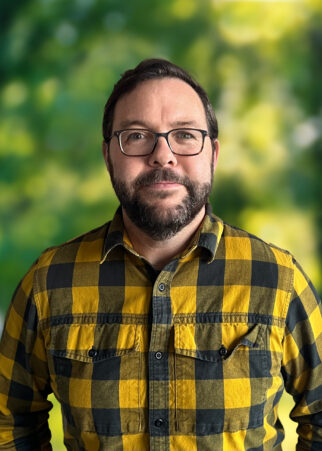
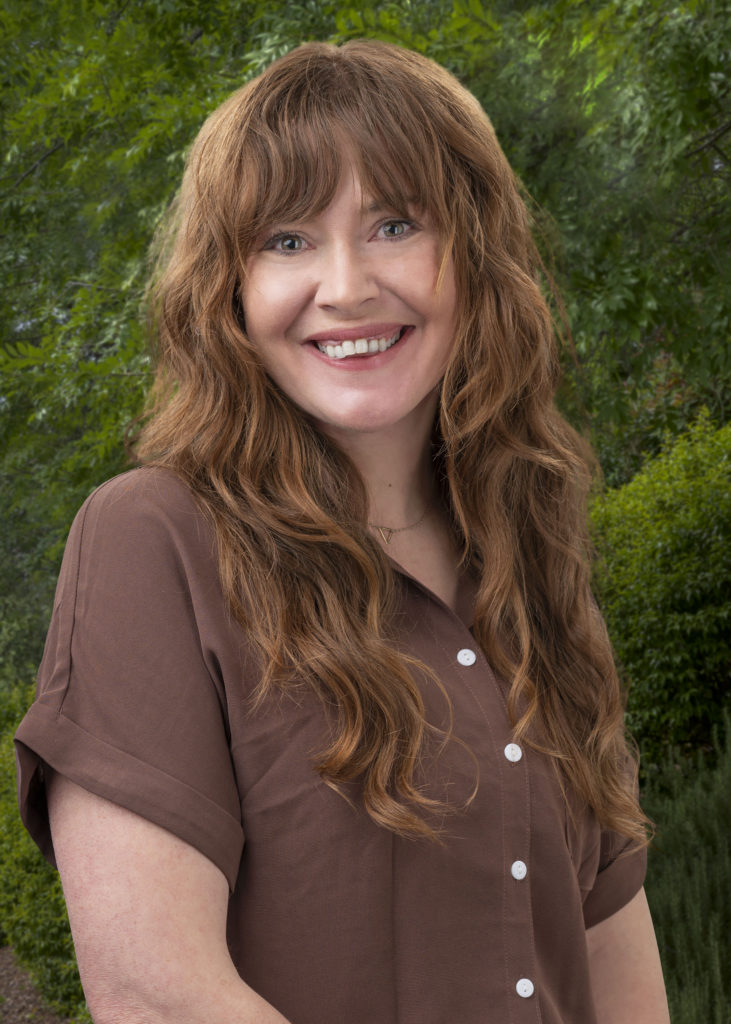
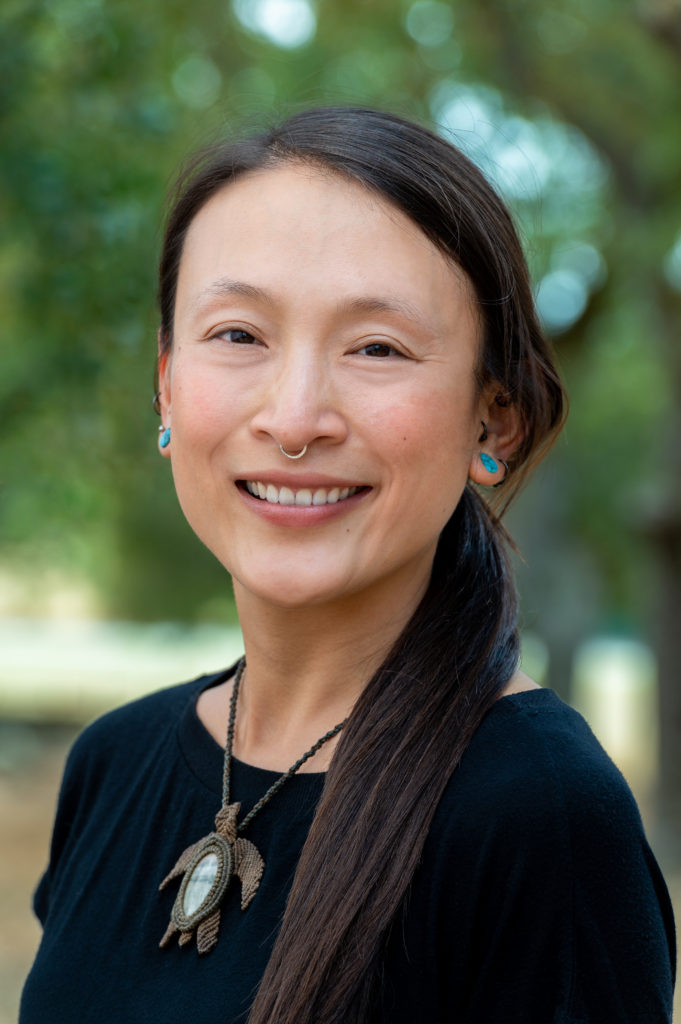
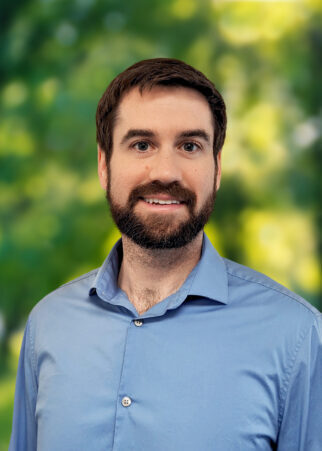
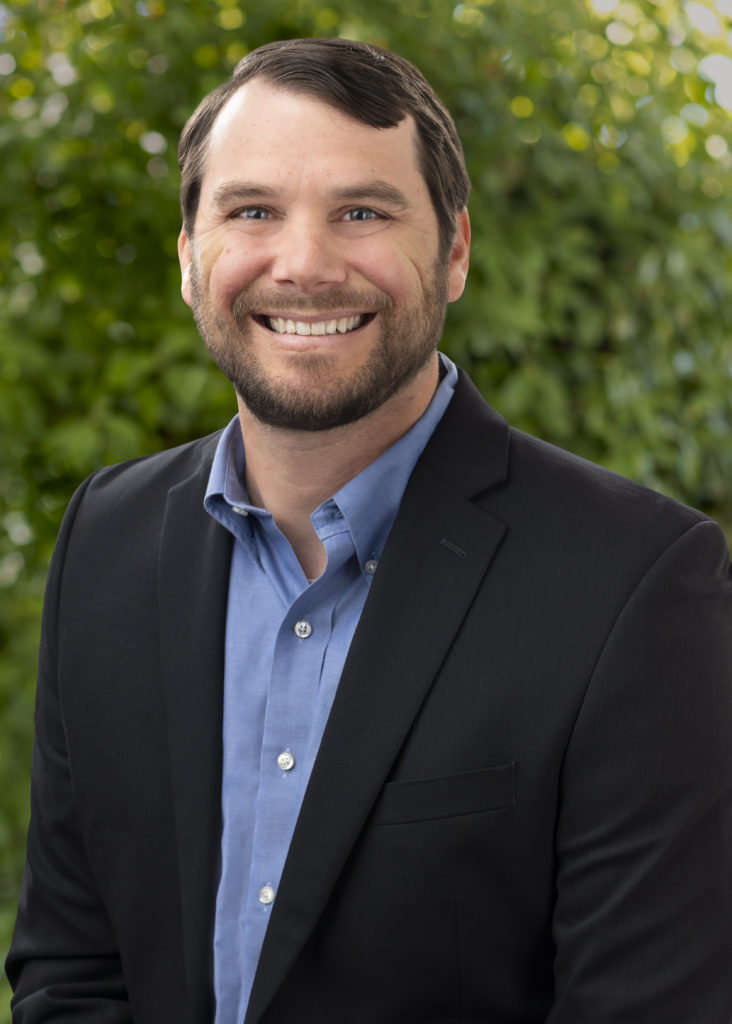
Avery Scherer, Ph.D.

Senior Ecologist

B.S. Aquatic Biology; Ph.D. Marine Ecology

Phone: (888) 224-1221


West Sacramento, California

Avery is an aquatic ecologist with 10 years of experience working in diverse ecosystems, from streams in eastern Kentucky and Hawaii to oyster and coral reefs in south Texas and the Caribbean. Her research interests include predator prey relationships, trophic cascades, and the influence of species interactions on ecosystem structure and function. She is also interested in science communication and outreach; she has experience in informal science education programs as well as with science writing and social media. As an ecologist at CFS, Avery helps to design and conduct research on the role of stream ecology in the efficacy of river restoration for salmon and steelhead.

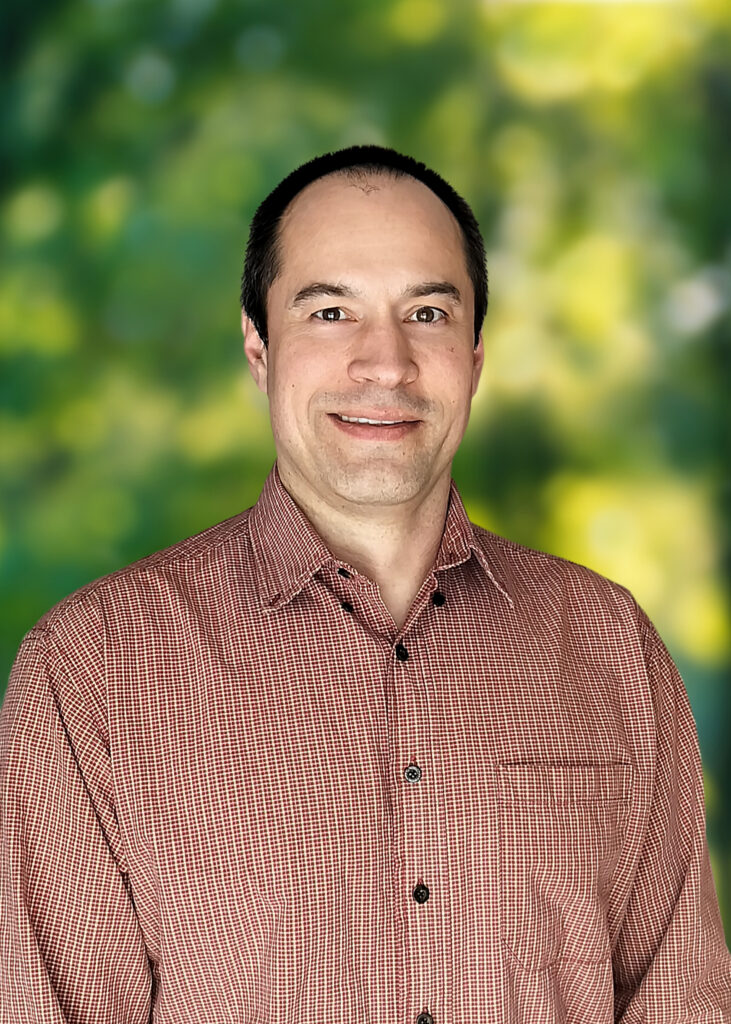
Chase Ehlo, M.S.

Senior Biologist

B.A., Fisheries and Aquatic Sciences; M.S. Biology

Meadow Vista, California

Chase has worked across diverse U.S. systems, from Tennessee streams to the Desert Southwest and California’s Central Valley, including the mainstem Sacramento River, tributaries such as the Stanislaus River, and the Delta. He focuses on monitoring of endangered species including Chinook Salmon, Central Valley steelhead, Razorback Sucker, and Bonytail. At Cramer Fish Sciences, his work includes Chinook survival studies in the Upper Sacramento River, floodplain utilization by juvenile salmon at the Mokelumne River-Delta junction, and entrainment studies at Delta export facilities. He is particularly interested in the key factors limiting the recovery of Chinook Salmon and Central Valley Steelhead, including the impacts of nonnative predators, environmental cues influencing life history diversity in Rainbow Trout and steelhead, and stressors affecting key demographic rates in salmonids. Chase’s expertise spans the full research cycle, from study design and field sampling to analysis and reporting. He uses diverse tools including electrofishing, telemetry, PIT scanners, and R programming for data analysis and visualization, applying both established and emerging technologies to advance fisheries science and management.

Selected Publications 

Ehlo, C.E., L.H. Elliot, B.D. Healy, C.C. Phillis, and M.C. Runge. 2026. Balancing water storage and Chinook salmon conservation under uncertainty: How decision analysis can inform fall flow management below Shasta Dam [Manuscript in Preparation]. Cramer Fish Sciences.

Ehlo, C.E., W.J. Goldsmith, B.R. Kesner, and P.C. Marsh. 2019. Size-specific fate and survival of june sucker Chasmistes liorus mictus in Utah Lake, Utah. Western Northern American Naturalist 79(1):110-123.

Ehlo, C.E., M.J. Saltzgiver, T.E. Dowling, P.C. Marsh, and B.R. Kesner. 2017. Use of molecular techniques to confirm nonnative fish predation on razorback sucker larvae in Lake Mohave, Arizona and Nevada 146(2):201-205.

Massure, W.A., C.A. Ehlo, B.R. Kesner, and P.C. Marsh. 2015. Positive phototaxis in larval bonytail. Journal of Fish and Wildlife Management 6(2):425-429.

Ehlo, C.E. and J.B. Layzer. 2014. Population demographics and life history of the round hickornut (Obovaria subrotunda) in the Duck River, Tennessee. The American Midland Naturalist 171(1):1-15.

Elene Trujillo, M.S.

Senior Biologist

B.A., Anthropology; M.S. Aquatic and Fishery Science

Issaquah, Washington

Elene Trujillo is a senior fisheries biologist with more than two decades of scientific research and biostatistical expertise in both marine and freshwater systems. Her diverse work spans aquatic disease and ecology, resource management, restoration effectiveness, and scientific communication. Elene specializes in developing regional metrics that guide effectiveness evaluations, providing evidence to support decision-making and policy development. With her strong background in project management, biostatistics, and communications from organizations including the Puget Sound Partnership, NOAA’s Northwest Fisheries Science Center, and King County Department of Natural Resources and Parks, Elene excels at connecting people, data, and innovative ideas to address complex resource management challenges. Her published research includes work on cumulative effects of nearshore habitat conservation and climate change impacts on salmon migration.

Selected Publications 


Diefenderfer H.L., G.D. Steyer, M.C. Harwell, A.J. LoSchiavo, H.A. Neckles, D.M. Burdick, G.E. Johnson, K.E. Buenau, E. Trujillo, J.C. Callaway, N.K. Ganju, R.M. Thom, and R.R. Twilley. 2020. Applying cumulative effects to strategically advance large-scale ecosystem restoration. Frontiers in Ecology and the Environment 19:108-117. https://doi.org/10.1002/fee.2274


Crozier L.G., J.E. Siegel, L.E. Wiesebron, E.M. Trujillo, B.J. Burke, B.P. Sandford, and D.L. Widener. 2020. Snake River sockeye and Chinook salmon in a changing climate: Implications for upstream migration survival during recent extreme and future climates. PLoS ONE 15(9):e0238886. https://doi.org/10.1371/journal.pone.0238886

Jamie Sweeney, M.S.

Senior Biologist
B.S. Marine Biology; M.S. Animal Biology
Phone: (916) 250-1570


West Sacramento, California

Jamie has over a decade of experience monitoring and analyzing fish populations in the California Central Valley and Delta. Her expertise includes leading field staff in data collection using snorkel surveys, spawning surveys, mark-recapture studies, and water quality monitoring. Jamie’s technical skills encompass fish and invertebrate identification, radio telemetry tracking, electrofishing for special-status salmonids, and isotopic microchemistry analysis. She excels in data visualization and analysis, as well as generating clear, detailed reports. Jamie’s recent research focuses on salmonid habitat restoration effectiveness, flow management impacts, and using microchemistry to explore White Sturgeon life history, resulting in several peer-reviewed publications.

Selected publications


Sweeney, J.K. and K. Sellheim. 2025. Chinook Salmon fall 2024 aerial photograph spawning survey. Lower American River, California. Technical Memorandum. Prepared for the Sacramento Water Forum.


Sweeney, J.K., K. Sellheim, and J.E. Merz. 2024. Lower American River monitoring: 2024 steelhead spawning and stranding surveys annual report. Central Valley Project, American River California. Mid-Pacific Region. Prepared for U.S. Bureau of Reclamation.


Sweeney, J.K., Willmes, M., Sellheim, K., Lewis, L.S., Hobbs, J.A., Fangue, N.A. and Merz, J.E., 2020. Ontogenetic patterns in the calcification and element incorporation in fin rays of age-0 White Sturgeon. Environmental Biology of Fishes 103(11): 1401-1418.


Blankenship, S. M., A. Scherer, C. Dean, K. Sellheim, J.K. Sweeney, and J. Merz. 2024. Applying parentage methods to detect gravel augmentation effects on juvenile Chinook Salmon recruitment rates. River Research and Applications 40(5):791-808 https://doi.org/10.1002/rra.4264.


Sellheim, K., A. Scherer, R. Brown, J. Anderson, J.K. Sweeney, and J. Merz. 2025. Restored seasonally inundated habitat supports juvenile salmonid rearing and growth in two California Central Valley streams. North American Journal of Fisheries Management p.vqae003 https://doi.org/10.1093/najfmt/vqae003.


Sellheim K, J.K. Sweeney, and J.E. Merz. 2022. Increasing objectivity associated with anadromous fish redd identification using a discriminant function analysis. Frontiers in Environmental Science 10:1–15 10.3389/fenvs.2022.1085941.


Sellheim K., M. Willmes. L.S. Lewis, J.K. Sweeney, J.E. Merz, and J.A. Hobbs. 2022. Diversity in habitat use by White Sturgeon revealed using fin ray geochemistry. Frontiers in Marine Science 9:1–18 10.3389/fmars.2022.859038.


Sellheim, K. L., R. A. Brown, J. T. Anderson, M. Vaghti, J. C. Wiesenfeld, P. A. Colombano, J. K. Sweeney, and J. E. Merz. 2019. Merced River ranch and Henderson Park restoration projects on the Merced River, California. Final report to the U.S. Fish and Wildlife Service.


Sweeney, J., K. Sellheim, and J. Merz. 2017. Lower American River Monitoring: 2017 Steelhead spawning and stranding surveys annual report. Central Valley Project, American River California. Mid – Pacific Region. Report to the U.S. Bureau of Reclamation.


Anderson, J., J. Sweeney, T. Hinkelman, K. Horvath and J. Merz. 2016. Juvenile salmonid outmigration monitoring at Caswell Memorial State Park in the Stanislaus River, California. Annual Report to the U.S. Fish and Wildlife Service Comprehensive Assessment and Monitoring Program.


Sellheim, K., M. Beakes, J. Merz, and J. Sweeney. 2016. Mokelumne River salmonid spawning and rearing habitat potential: analysis of coarse sediment and floodplain extent. Report to the East Bay Municipal Utility District.


Sellheim, K., J. Merz, D. Stroud, and J. Sweeney. 2016. Lower American River monitoring: 2016 steelhead spawning and stranding surveys Annual Report. Central Valley Project, American River California. Mid – Pacific Region. Report to the U.S. Bureau of Reclamation.


Sellheim, K., J. Merz, P. Haverkamp, and J. Sweeney. 2015. Lower American River Monitoring: 2015 steelhead spawning and stranding surveys annual report. Central Valley Project, American River California. Mid – Pacific Region. Report to the U.S. Bureau of Reclamation.


Jasmine Williamshen, M.S.

Senior Biologist

B.S. Wildlife, Fish, and Conservation Biology; M.S. Environmental Science and Management

Phone: (888) 224-1221


Meadow Vista, California

Jasmine is an aquatic ecologist with extensive experience implementing research studies and conducting robust field surveys to sample aquatic organisms and measure physical habitat to better understand how to improve habitat for native fishes. She spent six years working as a biological technician monitoring and surveying fish communities and survival using beach seines, otter trawls, gill nets, fyke traps, rotary screw traps, PIT tags, snorkel surveys, carcass surveys, and electrofishers. She has also performed numerous laboratory methods such as otolith microstructure analysis, diet analysis, and macroinvertebrate identification. Her graduate work involved designing and implementing a project to investigate the effects of flow releases from Lewiston Dam (Trinity River, CA) on downstream drifting invertebrates as a food resource for juvenile salmonids, where she was able to combine her research interests in altered stream flows and food web ecology. Jasmine is also proficient in using programming software to organize, analyze, and visualize quantitative and spatial data, including R, ArcGIS, and Adobe Illustrator.

Selected Publications


Williamshen, J. S., A. P. O’Dowd, K. De Juilio, N. A. Som, D. M. Ward, and B. O. Williamshen. 2023. Restoration pulse flows from a California dam temporarily increase drifting invertebrate biomass concentration. Journal of Environmental Management, 326: 116647.

Kristin Connelly, M.S.

Senior Biologist

B.S. Aquatic & Fishery Science, minor in Quantitative Science; M.S. Environmental Science

Phone: (503) 850-9051


Portland, Oregon

Kristin has over 9 years of experience conducting, analyzing and reporting the results of biological field and laboratory studies in the Pacific Northwest. She has led and supported fisheries trophic ecology and monitoring studies in freshwater and marine environments using a variety of field methods, including gill nets, seines, traps, mid-water trawls, fish marking, electrofishing and hydroacoustic. In addition, she has experience sampling and identifying macroinvertebrates and zooplankton, and has conducted limnological sampling and habitat assessments. Kristin is skilled at gut contents analysis, stable isotope analysis, fish age/growth estimation using aging structures, and boat operation. She has experience analyzing and reporting the results of fisheries food-web and monitoring studies, including bioenergetics modeling and multivariate community analyses. Kristin’s duties include developing field protocols, leading field crews, analyzing biological and spatial data, and report writing.

Pete Moniz, M.S.

Senior Biologist

B.S. Enviornmental Sciences; M.S. Hydrologic Sciences


West Sacramento, California

Pete is a fisheries biologist with extensive experience in habitat restoration and fish passage effectiveness monitoring in California and the Pacific Northwest. Specifically, he has used beach seines, trawls, gill nets, fyke traps, rotary screw traps, snorkel surveys, carcass and redd surveys, electrofishing (backpack and boat), and telemetry (PIT, radio, and acoustic) to monitor the abundance, habitat use, and movement of native and non-native fish species in both California and British Columbia. Additionally, Pete has analyzed physical habitat using data collected from depth and velocity, pebble count, and core sampling surveys, hydraulic models, topographic and bathymetric surveys (e.g., RTK GPS, total station, echo sounder), and remote sensing. He has also helped design and fabricate patented sampling equipment and has conducted environmental monitoring for a variety of instream construction projects. Before joining Cramer Fish Sciences, Pete was a Registered Professional Biologist in British Columbia where he designed, led, and managed telemetry-based field studies of salmonids and White Sturgeon using PIT, radio, and acoustic telemetry technology. In graduate school, Pete developed and validated juvenile salmonid habitat suitability models of the lower Yuba River and evaluated how rearing habitat evolved along the river over time.

Selected Publications


Moniz, P. J., and D. Ramos-Espinoza. 2023. Bulkley River Sockeye Salmon Telemetry Project Data Summary – 2022. Prepared for Wet’suwet’en, Smithers, British Columbia.


Buchanan, J., A. Hébert, P. J. Moniz, D. Ramos-Espinoza, and A. Putt. 2023. BRGMON-9 Seton River Habitat and Fish Monitoring Implementation Year 10 (2022). Prepared for Splitrock Environmental, Lillooet, British Columbia, and BC Hydro, Burnaby, British Columbia.


Cook, K. V., P. J. Moniz, and D. Ramos-Espinoza. 2023. Site C Fishway Effectiveness Monitoring Program (Mon-13) & Trap and Haul Fish Release Location Monitoring Program (Mon-14). Construction Year 8 (2022). Prepared for BC Hydro, Vancouver, British Columbia.


Hébert, A., P. J. Moniz, D. Ramos-Espinoza, and K. V. Cook. 2023. Lajoie Dam Improvement Project (GM-0246): Effects Assessment of the 2022 Drawdown of Downton Reservoir. Fisheries Act Authorization 22-HPAC-00271. Prepared for Splitrock Environmental, Lillooet, British Columbia, and BC Hydro, Burnaby, British Columbia.


Moniz, P. J., K. V. Cook, and D. Ramos-Espinoza. 2022. Site C Fishway Effectiveness Monitoring Program (Mon-13) & Trap and Haul Fish Release Location Monitoring Program (Mon-14). Construction Year 7 (2021). Prepared for BC Hydro, Vancouver, British Columbia.


Buchanan, J., A. Hébert, P. J. Moniz, D. Ramos-Espinoza, C. White, P. Freeman, and A. Putt. 2022. BRGMON-9 Seton River Habitat and Fish Monitoring Implementation Year 9 (2021). Prepared for Splitrock Environmental, Lillooet, British Columbia, and BC Hydro, Burnaby, British Columbia.


Moniz, P. J., and G. B. Pasternack. 2021. Chinook salmon rearing habitat–discharge relationships change as a result of morphodynamic processes. River Research and Applications 37(10):1386-1399.


Cook, K. V., P. J. Moniz, A. Putt, and D. Ramos-Espinoza. 2021. Site C Fishway Effectiveness Monitoring Program (Mon-13). Construction Year 6 (2020). Prepared for BC Hydro, Vancouver, British Columbia.


Hébert, A., P. J. Moniz, D. Ramos-Espinoza, J. Buchanan, C. White, and A. Putt. 2021. BRGMON-9 Seton River Habitat and Fish Monitoring Implementation Year 8 (2020). Prepared for Splitrock Environmental, Lillooet, British Columbia, and BC Hydro, Burnaby, British Columbia.


Moniz, P. J., G. B. Pasternack, D. A. Massa, L. W. Stearman, and P. M. Bratovich. 2020. Do rearing salmonids predictably occupy physical microhabitat? Journal of Ecohydraulics 5(2):132-150.

Philip Colombano, M.S.

Senior Restoration Biologist

B.S. Aquatic Biology; M.S. Natural Resources

Phone: (916) 250-1922


West Sacramento, California

Philip is a biologist with over a decade of experience in fisheries research and monitoring throughout California. He leads field work for a variety of projects including restoration effectiveness monitoring and applied research. He has extensive experience performing downstream migrant trapping, carcass and redd surveys, habitat mapping, snorkel surveys, electrofishing, seining, fish tagging including PIT, elastomer, and CWT, benthic macroinvertebrate collection and identification, and physical data collection. He performs data analysis and visualization, writes reports, and assists with manuscript preparation. Additionally, Philip performs the extensive environmental permitting and reporting required for implementing research and restoration projects in California.

Selected Publications


Selheim, K. L., R. A. Brown, J. T. Anderson, M. Vaghti, J. C. Wiesenfeld, P. A. Colombano, J. K. Sweeney, and J. E. Merz. 2019. Merced River Ranch and Henderson Park restoration projects on the Merced River, California. Final report to the U.S. Fish and Wildlife Service.


Cramer Fish Sciences. 2018. Middle Piru Creek rainbow trout sampling in support of Santa Felicia Dam fish passage: biological assessment. Report to the U.S. Fish and Wildlife Service on behalf of the United Water Conservation District.


Cramer Fish Sciences. 2018. Merced Irrigation District’s Merced River instream and off-channel habitat rehabilitation project: biological and essential fish habitat assessment. Report to the National Marine Fisheries Service on behalf of the U.S. Bureau of Reclamation.


Cramer Fish Sciences. 2017. Stanislaus river channel and floodplain rehabilitation project at Rodden road biological assessment. Report to the U.S. Fish and Wildlife Service.


Cramer Fish Sciences and cbec eco-engineering. 2017. Hallwood side channel and floodplain restoration project environmental assessment/initial study. Report to the Yuba County on behalf of U.S. Fish and Wildlife Service.


Cramer Fish Sciences. 2016. Stanislaus River salmonid habitat restoration project at Buttonbush: biological and essential fish habitat assessment. Report to the National Marine Fisheries Service on behalf of U.S. Fish and Wildlife Service.


Colombano, P. A. 2012. Response of coastal stream habitat and juvenile steelhead to the Honeydew Fire in Humboldt County, California. Master’s Thesis, Humboldt State University, Arcata, California.

Ryan Flaherty, M.S.

Senior Biologist
B.A. Ecology; M.S. Marine Resource Management

Phone: (503) 850-9610


Portland, Oregon 

Ryan is an exceptional fisheries biologist with over a decade of experience conducting and leading a variety of sampling and monitoring projects. Ryan has extensive field experience that includes deployment and operation of biotelemetry equipment, collection of juvenile outmigrant data (rotary screw and incline plane traps, PIT tagging, snorkeling), water quality sampling, boat operations, and assessment of aquatic and riparian habitatsPrior to joining Cramer Fish Sciences, Ryan worked on studies evaluating survival rates of juvenile salmonid passage through hydroelectric projects and estimating the exposure of ESA-listed salmonids to harmful levels of total dissolved gas. As a graduate student, Ryan researched how genetics-based tools can be used to identify catch distributions for Chinook salmon at refined space-time scales that are beyond the capacity of traditionally reported coded-wire tag dataRyan is well versed in managing and analyzing complex data sets in R and GIS, developing web-based applications to host and visualize data, and preparing and editing technical reports and publications 

Selected Publications


Arntzen, E. V., R. J. Flaherty, A. H. Colotelo, R. D. Harnish, J. Vavrinec, S. A. Zimmerman, J. D. Tagestad, and K. Stertz. 2018. Assessment of the effects of total dissolved gas exposure of upper Willamette River Chinook salmon and steelhead below Foster Dam. PNNL-27325. Final report prepared for the U.S. Army Corps of Engineers, Portland District, Portland, Oregon, by the Pacific Northwest National Laboratory, Richland, Washington.


Liss, S. A., J. S. Hughes, E. F. Fischer, R. J. Flaherty, and J. P. Duncan. 2017. Willamette Valley high head bypass downstream passage prototype evaluation: radio telemetry evaluation of the connecting and bypass pipes at Green Peter Dam, 2016. PNNL-26198. Final report prepared for the U.S. Army Corps of Engineers, Portland District, Portland, Oregon, by the Pacific Northwest National Laboratory, Richland, Washington.


Hughes, J. S., S. A. Liss, R. J. Flaherty, E. S. Fischer, B. J. Bellgraph, C. V. Vernon, and G. E. Johnson. 2017. Evaluation of juvenile salmonid passage and behavior at Foster Dam using radio telemetry, 2016. PNNL-26416. Final report prepared for the U.S. Army Corps of Engineers, Portland, Oregon, Portland, Oregon, by the Pacific Northwest National Laboratory, Richland, Washington.


Flaherty, R. J. 2015. Tags versus genetics: identifying which tool provides the best information about Chinook salmon (Oncorhynchus tshawytscha) distributions in the California Current. M.S. Thesis, Oregon State University, Corvallis.

Travis Anderberg, B.S.

Senior Forester
B.S. Forest Resources

Phone: (888) 224-1221


Portland, Oregon 

Travis Anderberg is a senior forester with 20 years of experience in natural resource management and forest improvement projects. His expertise lies in maximizing the financial and ecological value of forestlands while meeting landowner desires and regulatory compliance. Travis is particularly skilled in developing forestland management plans, permitting, habitat restoration, timber sale management, forest products appraisal, and road design and construction. Throughout his career, he has established and managed long-term inventory and strategic planning databases for several tree farms totaling 9,500 acres and prepared hundreds of in-depth timber management and conservation activity plans. His diverse experience spans work with trusts, family tree farms, timberland investors, estates, conservation groups, tribes, government agencies, and industrial tree farms. He is certified as a Natural Resource Conservation Service Technical Service Provider, American Tree Farm System Qualified Inspector, and FAA Remote Pilot.